
The Feast History Forgot.
Long before anybody claimed the east, long before the Mughals rewrote India’s kitchen … there was Kalinga. It sent sailors to Bali a thousand years before Columbus set sail, fed its gods 56 dishes a day, and kept its greatest secrets not in stone, but in the kitchen.
Somehow, no one wrote them down in one piece. Until now.
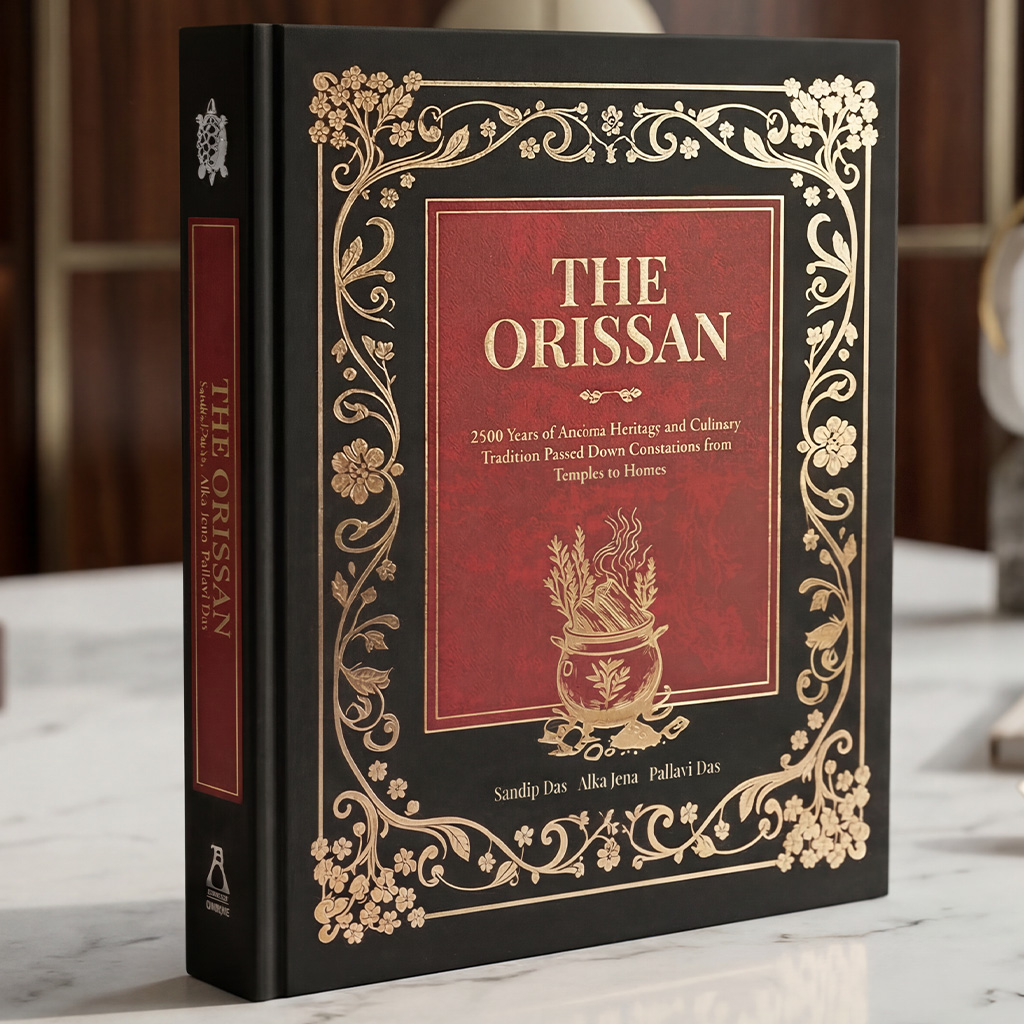
About the Book
Our food is not a footnote.
It is fundamental.
It is where history
meets hearth.
The Orissan is not a cookbook. It is a reckoning. A love letter written to a civilisation that was always extraordinary, and never properly told. Across 376 pages, we trace the history of one of India’s oldest living cultures: a land that gave the world its largest temple kitchen, sent its traders across the Bay of Bengal for two thousand years, and wrote philosophy in stone before most empires had found their feet. Odisha did not disappear. It was simply never given the page.
“Until the lions write their own story, the history of the hunt will always glorify the hunter.”
— An Old African Proverb
So we wrote it. Three of us came to this book from three different directions. A daughter far from home. A father who remembered. A storyteller who had spent years sitting in kitchens that history had forgotten. We began with a single question: why does Odisha feed the world through its temples, but go unfed in its own story? That question became a three-year journey through manuscript archives, royal pantry records, caste kitchen traditions, and festival calendars unchanged in eight hundred years. From the sacred Mahaprasad offerings of Puri, to the tribal heartland of Koraput, to a grandmother’s ladle in Cuttack. We documented what had never been written down. We recovered what was almost lost. What we found, we could not have imagined. What we wrote, you will not find anywhere else.
Sandip Das
A Land Older Than Its Own Myths
Before the world called it Orissa, before it became Odisha, it was Kalinga. In 261 BCE, Emperor Ashoka brought his largest army here and waged the bloodiest war of his reign. One hundred thousand dead. The Daya River ran red. And yet, it was Kalinga that broke him. Not through victory but through the weight of what he had done. Ashoka renounced violence on our soil. He gave the world Buddhism as a living practice. We were defeated. And we changed the course of human civilisation. That is the Odia story. We do not shout it. We carry it.
Alka Jena
Recipes That Were Never
Meant to Leave the Kitchen
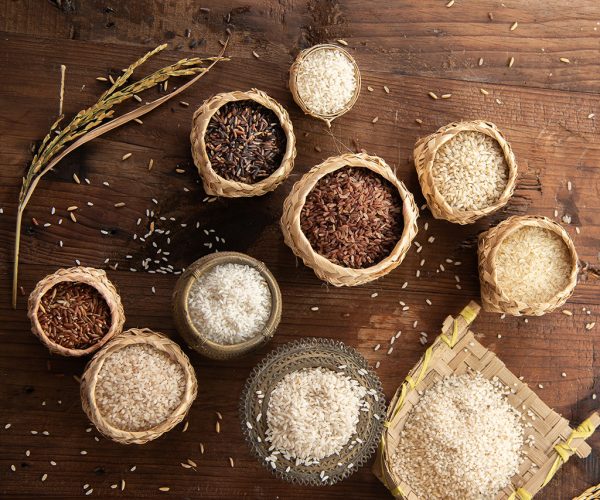
I have sat in more than two hundred kitchens. Temple kitchens where a single preparation feeds fifty thousand people by noon. Tribal kitchens in Koraput where the fire is never fully put out. Royal kitchen lineages where recipes were never written because they were considered too sacred to commit to paper. I asked. I watched. I measured by hand because there were no measurements. Then I wrote it down. The 100 plus recipes in this book are not approximations or adaptations. They are the real thing, recovered with the rigour of an archive and the love of someone who understood exactly what was at stake if it disappeared.
Pallavi Das
In an Odia kitchen, to waste is sin
In New York, I learned to call it sustainability. Zero waste. Farm to table. Gut health. I went to farmers markets and paid a lot of money for the kind of thinking my grandmother practised every single morning without a name for it or a price tag on it. In her kitchen, fish heads went into vegetable curries. Orange peels became chutneys. Pumpkin flowers were battered and fried. Banana stems became curry. Nothing left the kitchen as garbage that could leave as food. This was not a philosophy she had read. It was the only way she had ever been taught to cook. Odia food works in harmony with the body in ways that modern science is only now beginning to document. Two thousand five hundred years of that tradition lived in her hands. I started this book because I was afraid those hands would one day stop, and nobody would have written any of it down.
The Authors
Three voices.
One homeland.
Sandip Das
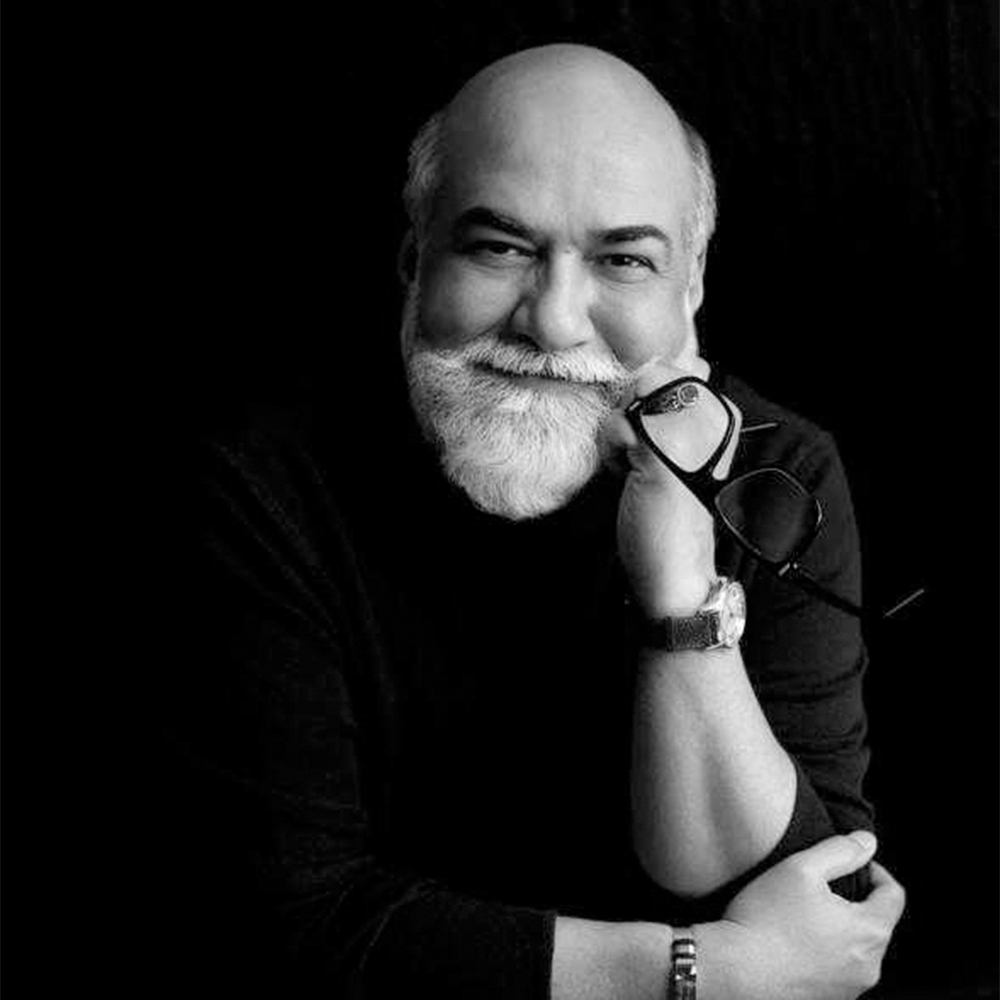
Global entrepreneur, proud son of Odisha. Sandip’s chapters are an act of reclamation — tracing the unsung truths of a civilisation whose grandeur was never adequately told. He writes of his grandfather Braja Bandhu Das, who studied under streetlamps in a village called Patia, and of his own baptism into Odia food culture: learning to choose fish by the redness of its gills.
“The eye of the fish — that is how an Odia man is baptised into the epicurean world of Odia cooking.”
Alka Jena
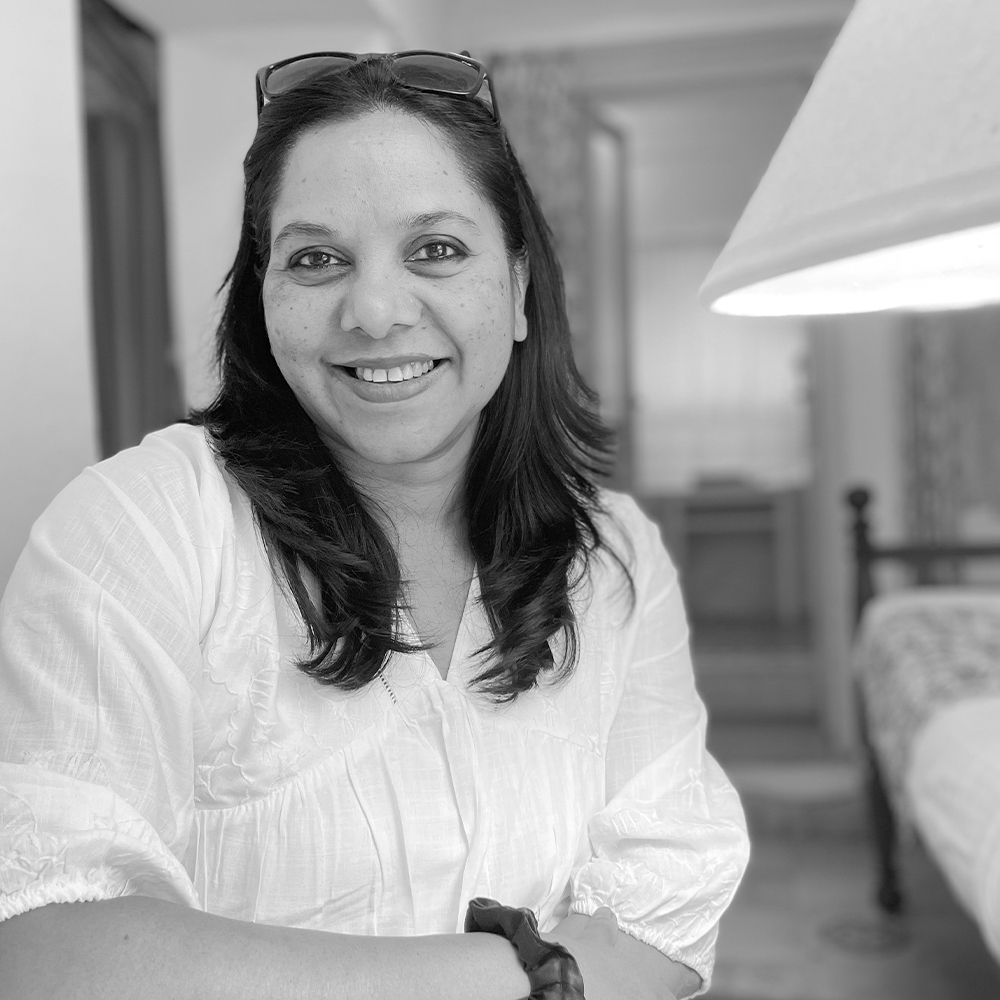
Celebrated Food Blogger, Researcher and Photographer, who joined the father and daughter in exploring history, tradition and flavours of Odisha. She curated “A Feast from the East” at The Bombay Canteen — 30 dishes from Odisha — and has hosted many pop-ups across the country to bring the flavours of Odisha into contemporary spaces. She brings the visual language and memory of the cuisine to this book, preserving its stories through recipes, and narrative.
“Odia cuisine isn’t just what we eat. It’s who we are. And this journey, this story, begins with you.”

Pallavi Das
“Why hadn’t anyone written about Odia cuisine the way Ottolenghi writes about Za’atar? Our food is not a footnote. It is fundamental. It is where history meets hearth.”
"Odia cuisine celebrates balance. It respects the seasons, embraces slow cooking, and balances taste with nourishment. It's grandma-approved, microbiome-friendly, and rooted in rhythms that modern nutrition science is just starting to validate."
— Alka Jena, The Orissan
The Juggernaut
The World's Largest
Temple Kitchen
The Rosha Ghara at Jagannath Temple, Puri: 150 feet long, 100 feet broad, 20 feet high. Water drawn from two sacred wells named Ganga and Jamuna. Despite serving thousands daily, the kitchen never runs short — a miracle attributed to Jagannath himself. Food is cooked in earthen pots stacked over firewood. No tasting allowed.
A selection from the Chhappan Bhog
- Kanika — sweetened rice with ghee and raisins
- Khechudi — dal and rice khichdi, the humblest of sacred dishes
- Dahi Pakhala — fermented rice with yoghurt, Odisha's probiotic staple
- Rasabali — fried chhena patties soaked in reduced, spiced milk
- Ghee Anna — plain rice adorned with sacred ghee
The world’s oldest and largest chariot festival. Lord Jagannath’s chariot Nandighosa stands 44 feet tall with 16 wheels. Three grand chariots are pulled by thousands of hands through 3 kilometres of Puri. The English word Juggernaut — a force that crushes everything before it — derives from this very procession.
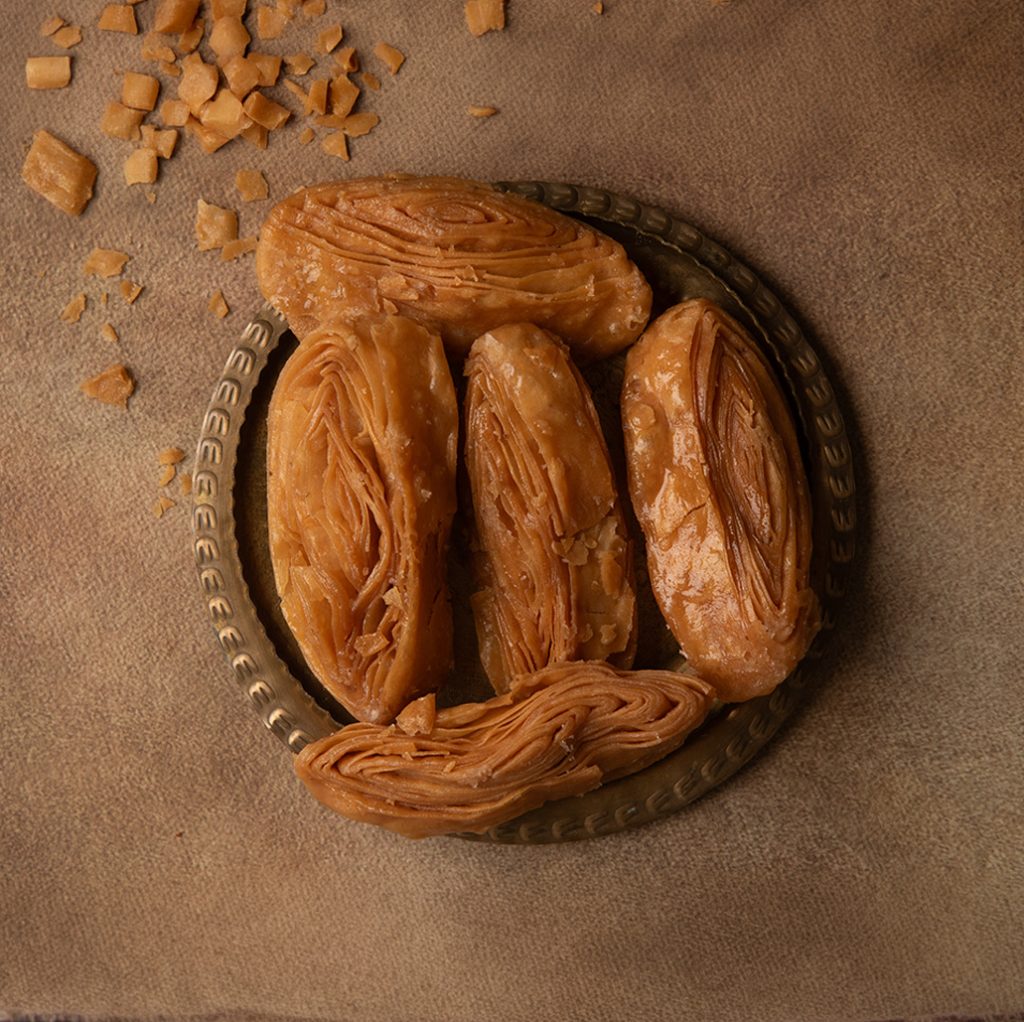
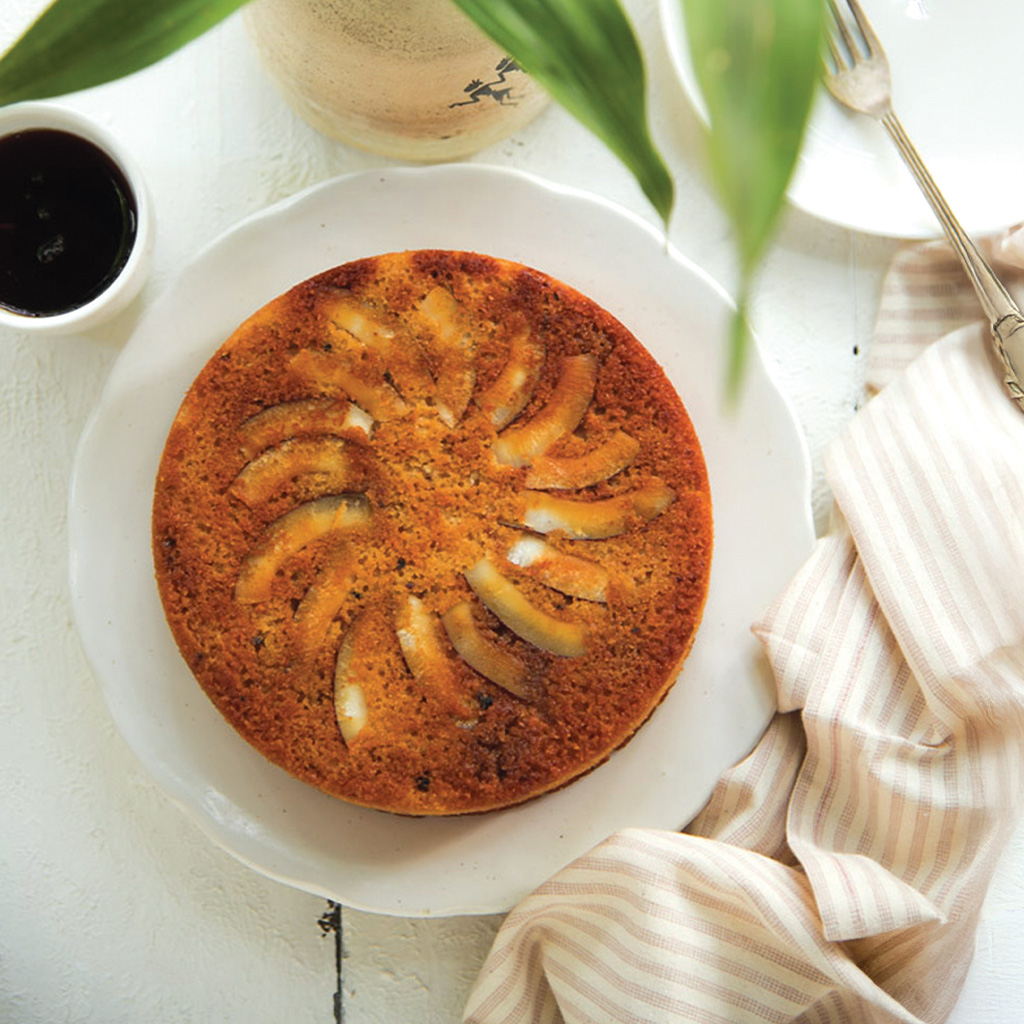
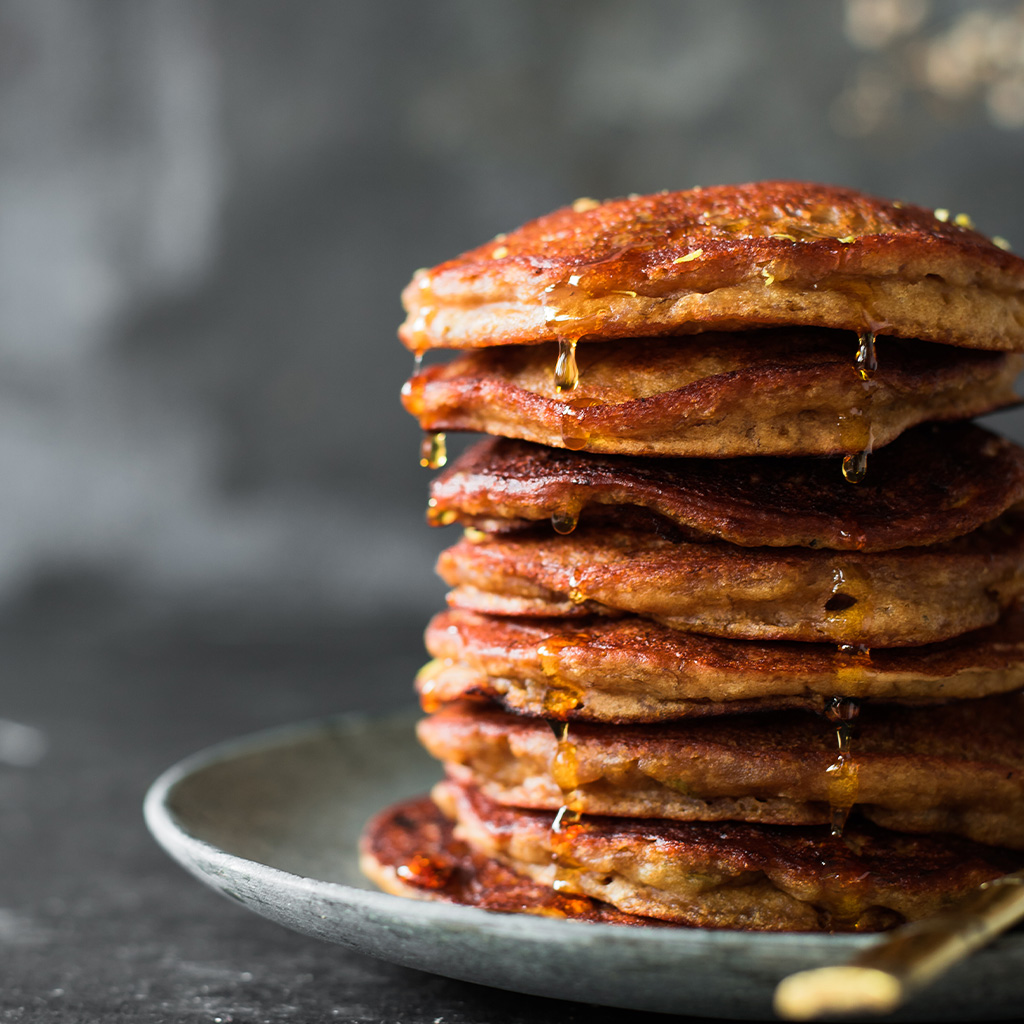
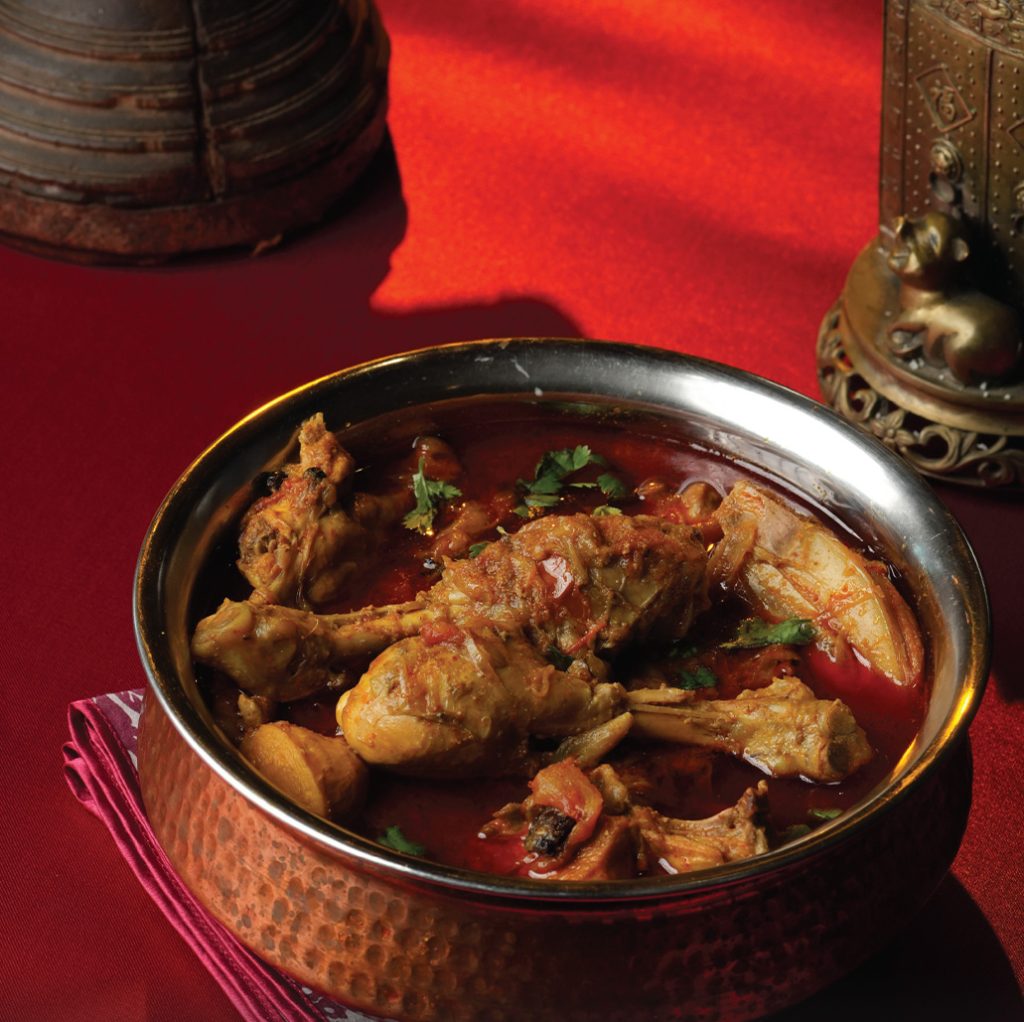
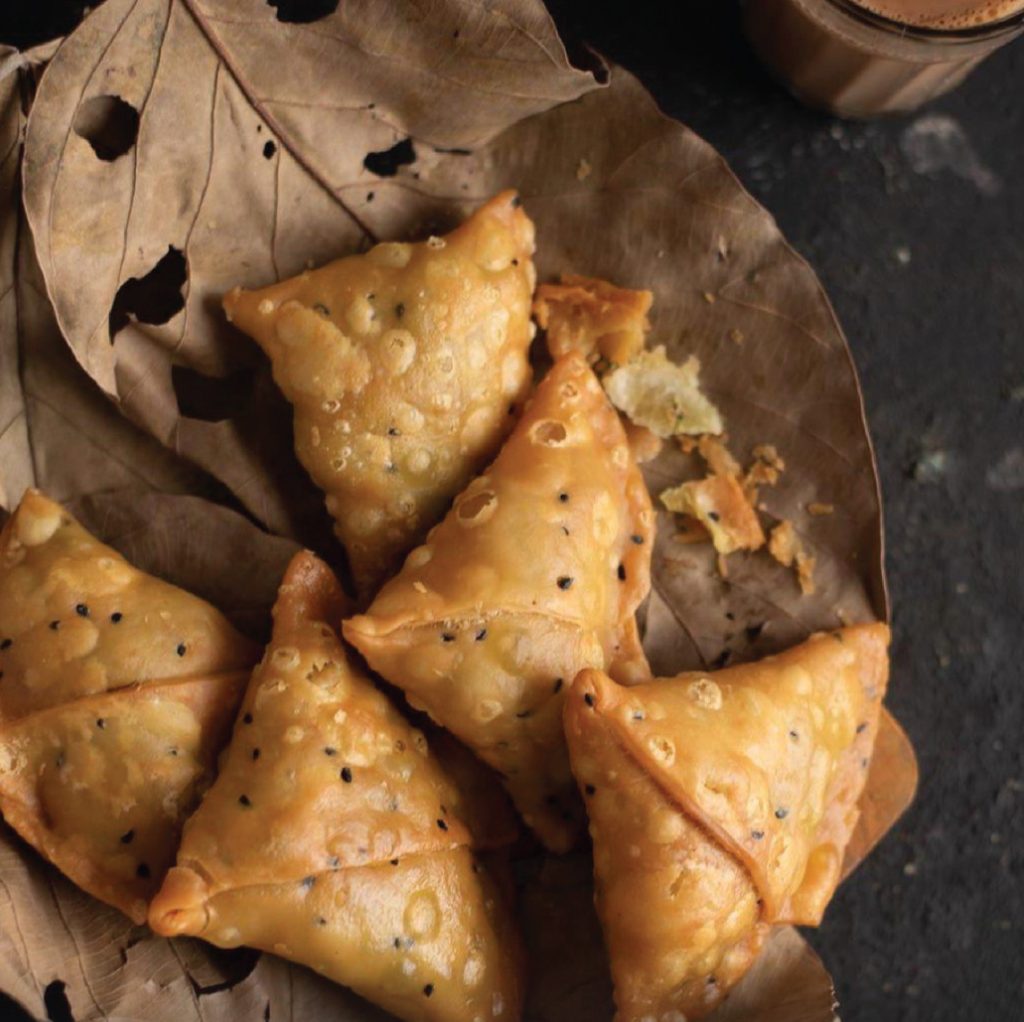
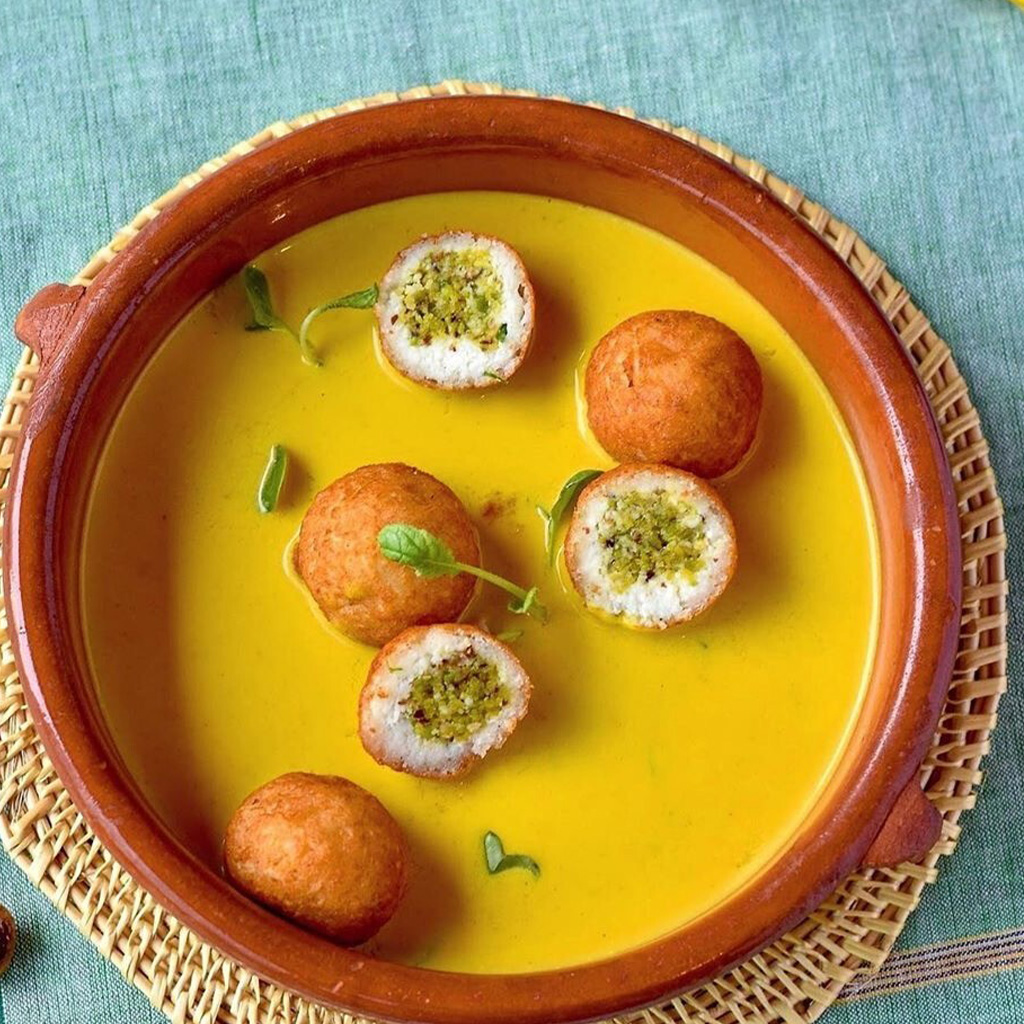
କଣ ଖାଇବୁ?
"Kana Khaibu?"
Translated, it sounds like a simple question — “What would you like to eat?”
But in an Odia home, it is never only about food.
It means: I’m thinking of you. I made this for you. I’m emotionally here.
— Pallavi Das, The Orissan
Limited First Edition · Coffee Table Book
Own a piece of
living history.
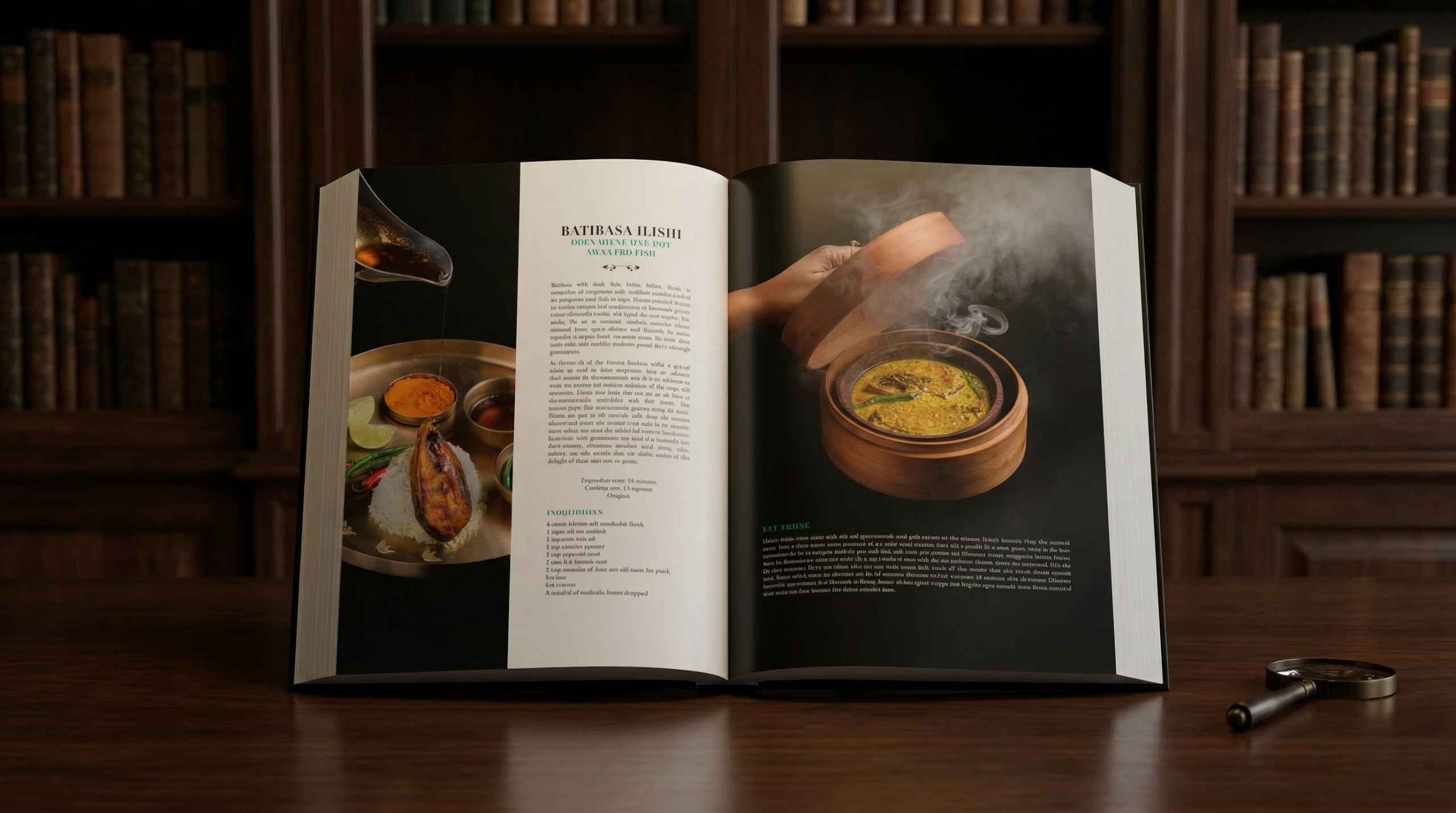
The Orissan is a collector’s edition — 376 pages of archival-quality photography, bespoke fine-art design, and recipes spanning temple kitchens to tribal hearths. It is Odisha’s first culinary coffee table book of this scale. Reserve your copy before the first print run closes.